
"coffee tree development"
10000 article(s) found

The Development of Coffee Culture Coffee what are the changes in the taste of different varieties of coffee
In China, whether at work or after work or outside the office or home, there is coffee drinking, the quality of life that Chinese people pursue is getting higher and higher, and coffee sales in China are also very high. there are also a lot of cafes, and the main source of coffee is that in the West, at first, Arabs dried coffee beans and boiled them, when drugs were used and then gradually turned into beverages in China's Shennongbai.

Coffee development history of Yemeni coffee beans and some African countries
Yemeni coffee bean planting area is also very large, coffee beans occupy an important position in the national economy. Yemeni Matari 999 mocha coffee (Mattar 999) has a unique wild and strong flavor. Yemen, a rather poor region of the Arab countries, was formed in May 1990 by the merger of the Arab Republic of Yemen (Northern Yemen) and the Democratic people's Republic of Yemen (Southern Yemen). Yemenis are used to drinking tea.

The Development of Coffee the Cultural and Historical Development of Fine Coffee
African shepherds discovered strange coffee fruits on the plateau in about 500 AD. Since then, humans have known coffee. Coffee was planted in Arabian Peninsula and used as medicinal and religious feed in 1554. Coffee was introduced into Europe from Venice, Italy. The colorful European coffee culture began to be born in 1616. Coffee was spread to the Netherlands from the port of Mocha.
Pu'er Coffee with a sudden rise in China's Coffee Market
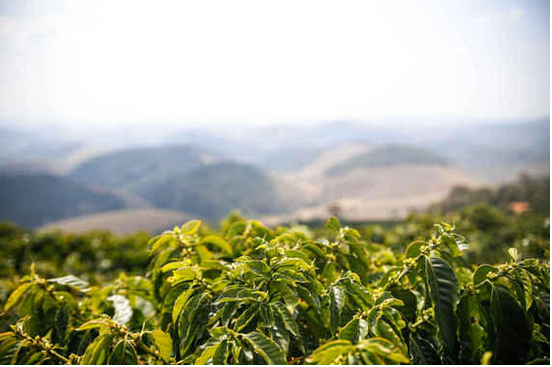
Pu'er, a heaven-given treasure land, is not only the source of tea in the world, but also an important coffee producing area in China. Both planting area and output account for half of China's coffee, and it is a veritable coffee capital. In recent years, the Pu'er coffee industry has developed rapidly and has formed a complete coffee industry chain from planting to processing. Pu'er coffee has been exported to America, Europe, Asia, etc. 3
A Summary of the Development History of Coffee in Yemen
Coffee scientific name: Coffea arabica), also known as coffee tree, Arabica coffee, etc., is the national flower of Yemen. Before the 6th century in the park, Yemen was called Arab, so the coffee trees transported from them to other places were also called Arabian coffee trees. The name coffee comes from the Arabic Qahwah, which means plant drink. Later, the coffee spread all over the world, and it was picked.
Boutique single Yemeni coffee beans
Yemeni Coffee Mocha is the earliest export port of Yemeni coffee beans, a well-known coffee named after a port in Yemen. The most familiar mocha coffee. When the word appears on the recipes of bags and cafes, the meaning is different. The former refers to the port where coffee beans are exported, while the latter refers to a kind of coffee. Strictly speaking, exported from the Yemeni port of Mocha
Characteristics of small-grained coffee trees
Coffee is a shallow root crop, and the plants propagated by seeds are conic roots. From the point of view of varieties, the roots of small and medium grain species are shallow, while those of large grain species are deeper. Yunnan small grain coffee is a 3-year-old 4-year-old fruit tree with a deep main root of about 70cm.

A brief introduction to the flavor, taste and aroma characteristics of Katim's boutique coffee beans.
Catimor: in 1959, the Portuguese mixed Brazilian Kaddura and Timo to develop a disease-resistant Katim / Katimo, which is now an important variety of commercial beans. Yunnan small grain coffee is a 3-year-old 4-year-old fruiting tree. Coffee is a short-day plant. Coffee has the characteristics of multiple flowering and concentrated florescence. Small seed coffee florescence in Yunnan from February to July
Yemeni coffee mocha coffee boutique coffee
Yemeni Coffee Mocha is the earliest export port of Yemeni coffee beans, a well-known coffee named after a port in Yemen. The most familiar mocha coffee. When the word appears on the recipes of bags and cafes, the meaning is different. The former refers to the port where coffee beans are exported, while the latter refers to a kind of coffee. Strictly speaking, exported from the Yemeni port of Mocha
The spread and development of coffee
European historians argue that as early as 800 years ago, there were artificial coffee trees for trade in Yemen in the southern Arabian Peninsula, and there was historical evidence that at that time, there was indeed trade across the Red Sea between Yemen and Ethiopia.

Characteristics of Luzhou Coffee Development Direction of planting Historical Coffee producing areas in Shandong Province
With regard to coffee producing areas around the world, after the third wave of boutique coffee, the development of each producing area is not quite the same. For example, Ethiopia's diversified development direction, Panama is led by geisha / Rosa Ming and then refined sun treatment. We began to pay attention to and predict the traditional coffee producing country Colombia several years ago, because of its changeable

Yemeni coffee beans with unique flavor Origin and development History and culture
Mokha Mattari: A coffee market name from Bani Mattar(also spelled Bany Mattar) province west of Sanaa, Yemen. Coffee grown at high altitudes, usually with good red wine aromas, dry fruit flavors, thick taste, deep roast often showing chocolate bitter sweetness. Good quality martali. Small beans.

Yemeni coffee is the earliest coffee bean export port
Yemeni coffee is a famous coffee named after a port in Yemen. Mocha coffee is the most familiar. When the word appears separately on a package and a cafe menu, it refers to something different. The former refers to the port where coffee beans are exported, while the latter refers specifically to a coffee. Strictly speaking, coffee beans exported from Yemen's mocha port can be called mocha coffee. Later port

Cultivation techniques and Biological habits of Coffee Tree
2. Biological habits (1) Botanical characteristics (2) growth and flowering habits (3) requirements for environmental conditions (1) Botanical characteristics 1. Root coffee root is a conic root system, its morphology, distribution and depth vary with agro-technical measures, soil conditions and varieties. In the case of a political party, there is a thick and short main root and many developed lateral roots. According to the observation in Hainan Island
Conditions for planting coffee trees what is the growing environment of coffee trees?
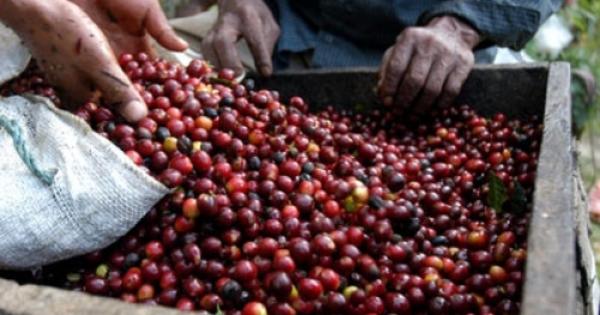
Coffee belt: coffee can not be grown in any environment, because it is originally a plant growing in a tropical rain forest, and in phylogeny, it forms the habit of calm wind, cool, shaded or semi-shaded and humid environment. We call the strips on both sides of the equator between latitudes 25 degrees south and north suitable for the growth of coffee trees as coffee belts. Temperature: the requirements for temperature vary with the species of cultivation

Introduction of Renas single bean flavor description variety planting development history production area treatment method
For the exchange of professional baristas, please follow the coffee workshop (Wechat official account cafe_style) El Salvador Salvadoran population: 6134000 most coffee roasters, Salvadoran coffee does not use the name of the less important producing area to describe coffee. Although they are different and well-defined regions, some would say that El Salvador itself is so small that it can be classified as
The earliest export port of Yemeni coffee mocha
Yemeni coffee, a well-known coffee named after a port in Yemen. The most familiar mocha coffee. When the word appears on the recipes of bags and cafes, the meaning is different. The former refers to the port where coffee beans are exported, while the latter refers to a kind of coffee. Strictly speaking, coffee beans exported from the port of Mocha in Yemen can be called mocha coffee. Later, the port

A brief introduction to the History and Culture of the Origin and Development of Panamanian Flint Manor Coffee
Catuai: Catuai Kaduai is a hybrid of New World and Kaddura. It inherits the advantage of low height of Kaddura tree and helps inherit the advantage of low height of Kaddura tree. The variety name Catuai comes from vernacular, meaning very good (very good). As a member of Arabica family, Catuai is relatively high-yielding. Cup test flavor: dry fruit, rich

A brief introduction to the Origin, Development, History and Culture of Fine Coffee beans in Berman Manor
Kenya is bordered to the north by Ethiopia, the origin of Arabica coffee trees, but it was not until the beginning of the 20th century that coffee cultivation began. In the 19th century, missionaries introduced Arabica trees from Yemen, but did not plant them in large quantities. It was not until 1893 that coffee was cultivated on a large scale after the introduction of Brazil's ancient bourbon seeds. That is to say, Kenyan coffee was of Brazilian origin.